


Hair loss has become a common problem among women. Many women struggle with hair loss due to genetic factors, hormonal changes, stress, nutritional deficiencies, and various health issues. So, can women undergo a hair transplant? Here’s everything you need to know about hair transplants for women.
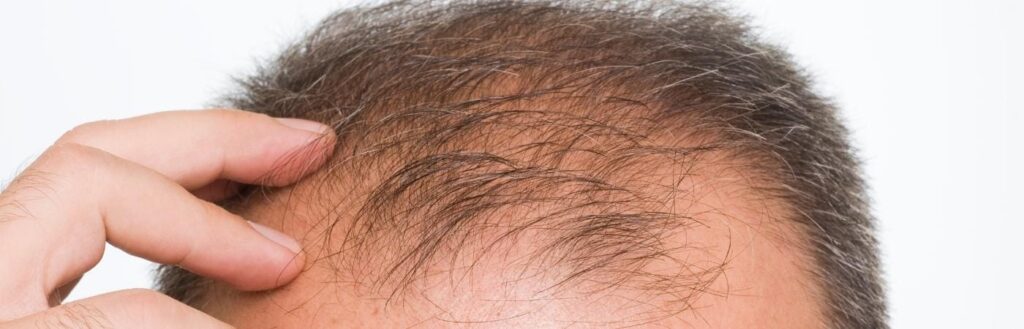
Causes of Hair Loss in Women
Hair loss in women is generally due to several main causes:
• Genetic predisposition: This problem is more common in women with a family history of hair loss.
• Hormonal changes: Conditions such as pregnancy, childbirth, menopause, or polycystic ovary syndrome (PCOS) can cause hair loss.
• Nutritional deficiencies: Iron, vitamin B12, and zinc deficiencies negatively affect hair health.
• Stress and lifestyle: Intense stress, insomnia, and an unbalanced lifestyle can accelerate hair loss.
• Genetic predisposition: This problem is more common in women with a family history of hair loss.
• Hormonal changes: Conditions such as pregnancy, childbirth, menopause, or polycystic ovary syndrome (PCOS) can cause hair loss.
• Nutritional deficiencies: Iron, vitamin B12, and zinc deficiencies negatively affect hair health.
• Stress and lifestyle: Intense stress, insomnia, and an unbalanced lifestyle can accelerate hair loss.
Is HaIr Transplant PossIble for Women?
Yes, women can undergo a hair transplant. It offers an effective and permanent solution for women experiencing hair loss. However, for a successful hair transplant, it’s crucial to determine whether the patient is a suitable candidate.
ElIgIbIlIty RequIrements for HaIr TransplantatIon In Women
Hair transplantation is generally performed in women in the following cases:
1. Localized hair loss: Hair transplantation yields more effective results when hair loss is concentrated in a specific area.
2. Donor area health: The hair follicles in the donor area used for hair transplantation must be strong and healthy.
3. Ensuring hormonal balance: A hair transplant performed without correcting hormonal problems may not produce the desired results.
1. Localized hair loss: Hair transplantation yields more effective results when hair loss is concentrated in a specific area.
2. Donor area health: The hair follicles in the donor area used for hair transplantation must be strong and healthy.
3. Ensuring hormonal balance: A hair transplant performed without correcting hormonal problems may not produce the desired results.
How Is HaIr TransplantatIon Performed In Women?
Hair transplantation in women is generally performed in the following steps:
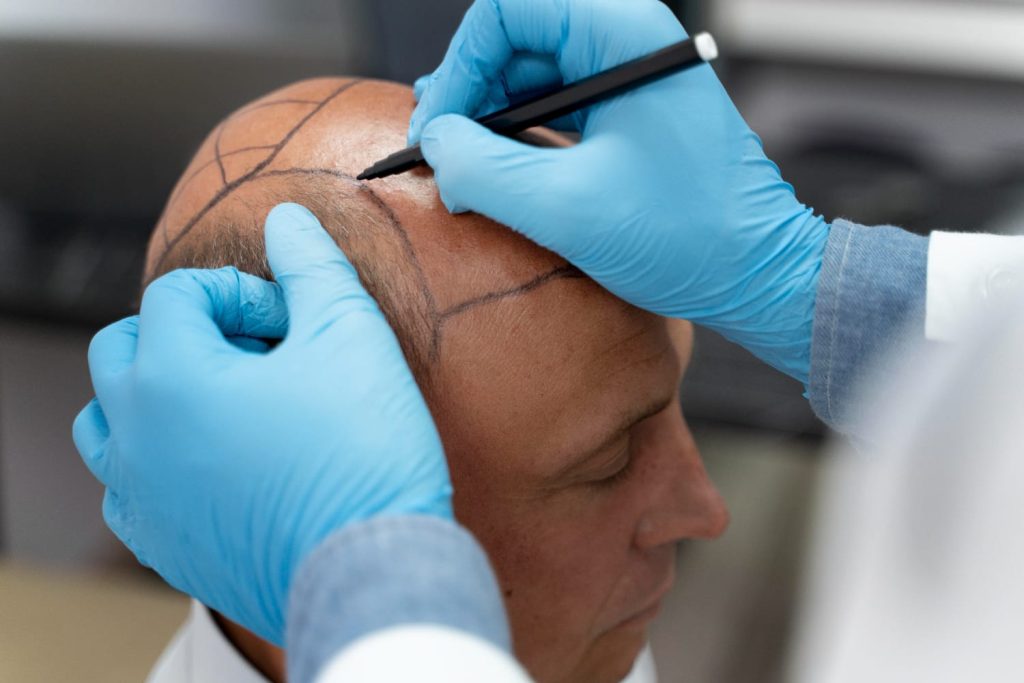
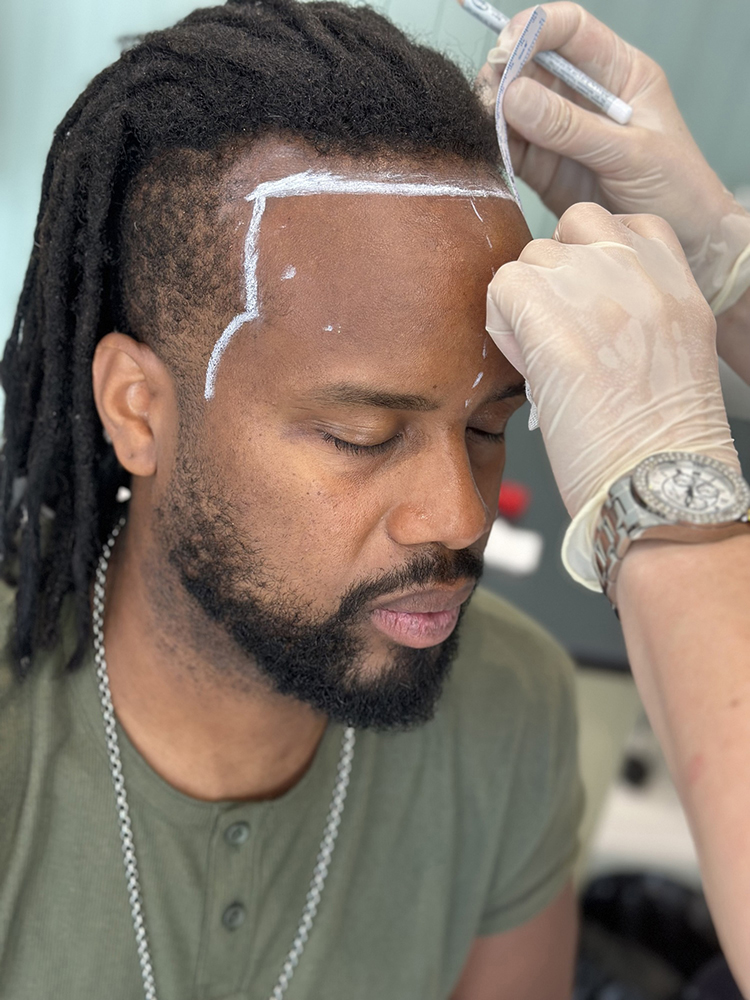
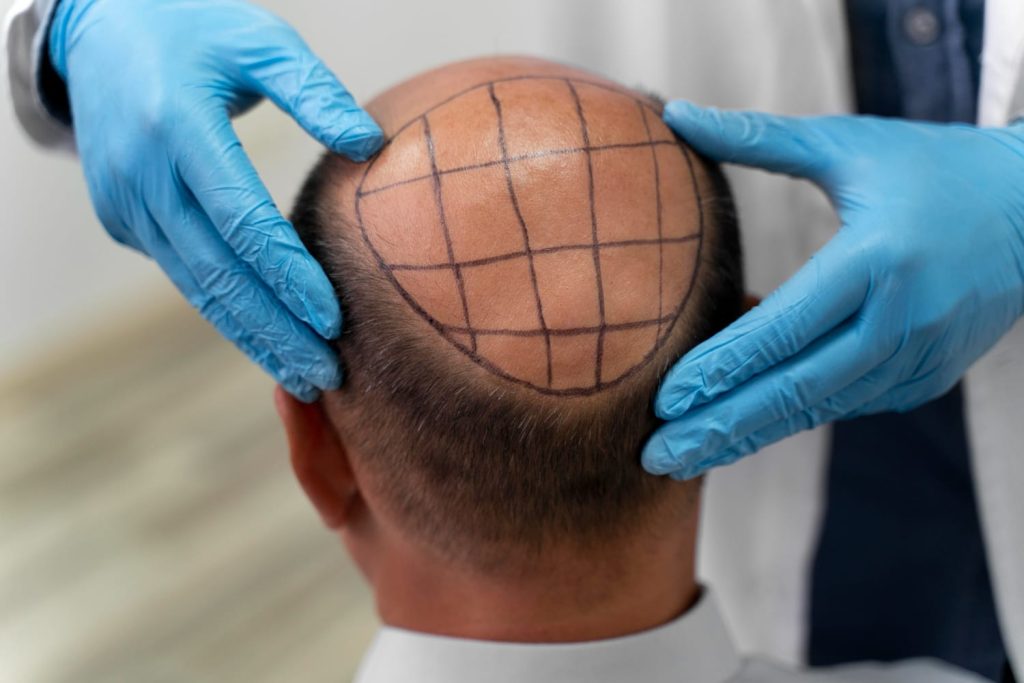
1. Consultation and evaluation: The specialist doctor evaluates the causes of hair loss and the area to be transplanted.
2. Donor follicle collection: Healthy hair follicles, usually taken from the nape of the neck, are prepared for transplantation.
3. Hair follicle transplantation: Hair follicles are transplanted to the areas where hair loss is most severe using microsurgical techniques.
4. Recovery: Hair begins to grow naturally within a few weeks after the transplant.
1. Consultation and evaluation: The specialist doctor evaluates the causes of hair loss and the area to be transplanted.
2. Donor follicle collection: Healthy hair follicles, usually taken from the nape of the neck, are prepared for transplantation.
3. Hair follicle transplantation: Hair follicles are transplanted to the areas where hair loss is most severe using microsurgical techniques.
4. Recovery: Hair begins to grow naturally within a few weeks after the transplant.
HaIr Transplant Methods for Women
The most commonly used techniques for hair transplantation in women are:
• FUE (Follicular Unit Extraction): Individual hair follicles are extracted and transplanted.
• DHI (Direct Hair Implantation): Direct hair follicle transplantation is performed to achieve a denser, more natural appearance.
• PRP-Assisted Hair Transplant: PRP treatment is used to accelerate the healing of the transplanted hair follicles.
• FUE (Follicular Unit Extraction): Individual hair follicles are extracted and transplanted.
• DHI (Direct Hair Implantation): Direct hair follicle transplantation is performed to achieve a denser, more natural appearance.
• PRP-Assisted Hair Transplant: PRP treatment is used to accelerate the healing of the transplanted hair follicles.
ThIngs to ConsIder After HaIr TransplantatIon In Women
Some important points to consider after a hair transplant are as follows:
• Avoid touching the transplanted area for the first few days after the procedure.
• Medications recommended by the doctor should be used regularly.
• Hair washing should be done as instructed by the specialist.
• Sunlight and intense physical activity should be avoided for a period of time after the procedure.
• Avoid touching the transplanted area for the first few days after the procedure.
• Medications recommended by the doctor should be used regularly.
• Hair washing should be done as instructed by the specialist.
• Sunlight and intense physical activity should be avoided for a period of time after the procedure.
HaIr Transplant PrIces for Women
Hair transplant costs for women can vary depending on the technique used, the size of the transplant area, and the clinic’s expertise. It’s important to contact a reputable clinic for detailed information.
Hair transplants for women offer an effective solution to hair loss. However, it’s crucial to obtain detailed information and a thorough evaluation from a specialist doctor before proceeding. If you’re struggling with hair loss and would like to learn more about hair transplantation, you can contact a specialized health center.