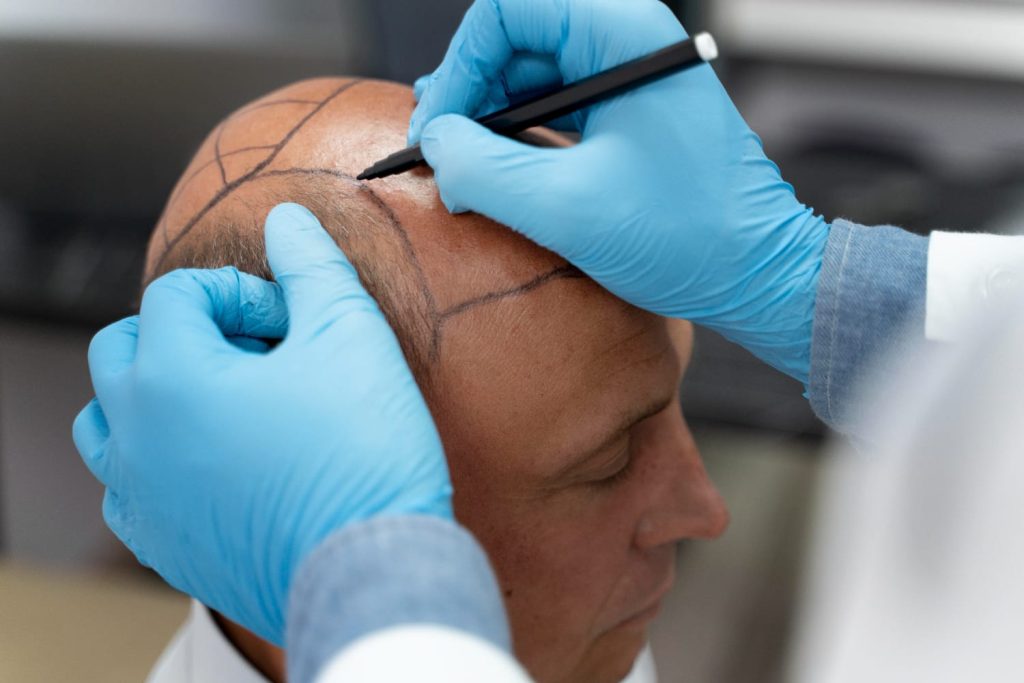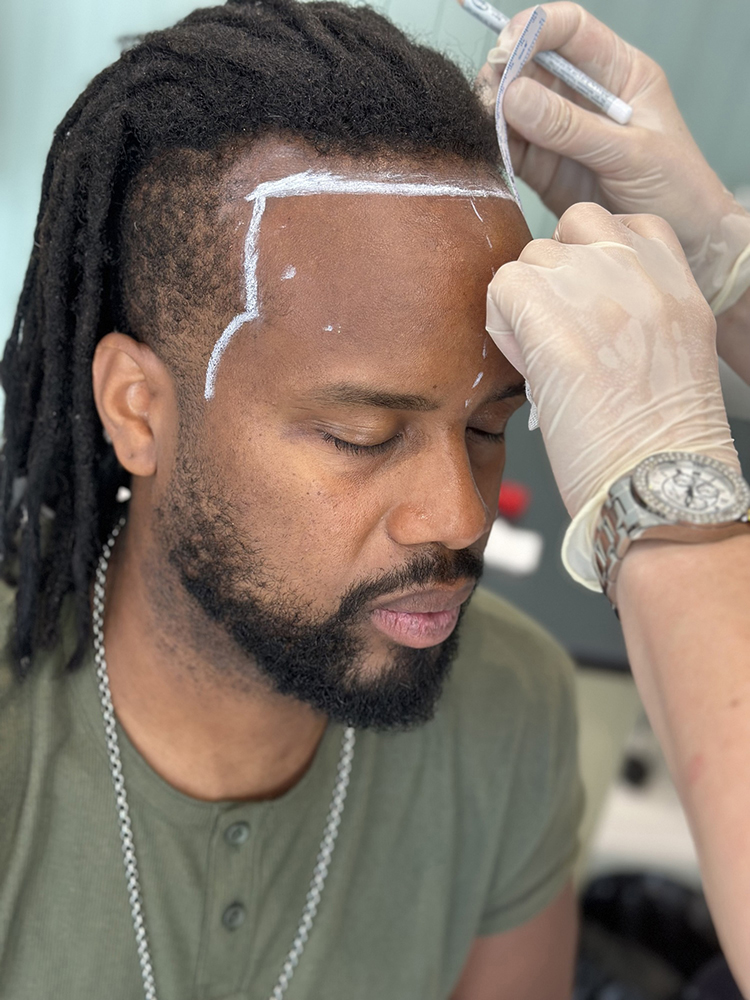



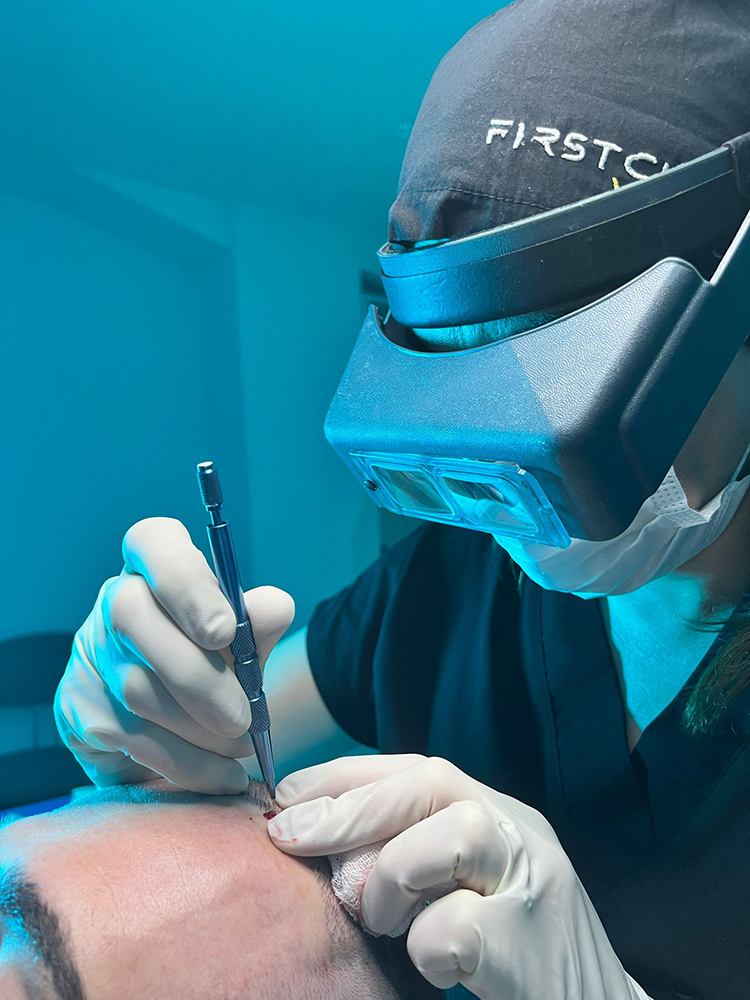
There are multiple methods for hair transplantation.
This information is incorrect. There is only one method used in hair transplantation: the FUE method. Over time, DHI and Sapphire techniques have evolved within the FUE method, which can achieve more effective results depending on the hair structure, scalp, and the area to be treated.
Every hair transplant recipient can achieve the same results.
This information is also incorrect. The results of a hair transplant vary depending on the density of the donor area, the quality of the hair follicles harvested, and the width of the treated area. In this case, it is important that your chosen hair transplant specialist honestly informs you of the potential success of the hair transplant procedure and how well it will meet your expectations.
The transplanted hairs fell out after the hair transplant.
Since the donor area is designated as the nape of the neck, which is resistant to hair loss, the transplanted hairs do not fall out. The hair that falls out is the recipient’s existing hair. It is important that your chosen hair transplant specialist informs you of this. This is especially true after a hair transplant at an early age. The solution is a second hair transplant session.
PRP should be applied during the hair transplant.
PRP is used to repair cells in areas with or without hair. It thickens hair strands, adds volume, and slows hair loss to a certain extent. In other words, it is effective on existing hair. PRP is a treatment that requires at least 6-8 sessions, two per month, over a period of approximately four months. Therefore, PRP, performed only once during a hair transplant, is not an essential part of the procedure.
A hair transplant results in a grass man look.
In Turkey, we provide hair transplant services to citizens worldwide. This is primarily due to the intense workload of our teams and the experience they have gained. In previous transplants, the grafts were transplanted at a 90-degree angle, resulting in a “grass man” appearance. Today, the transplantation procedure is performed at an angle of approximately 45 degrees, aligned with the hair growth angle, achieving the most natural results possible.
After a hair transplant, all hairs grow and grow simultaneously.
This is certainly the expectation of everyone who undergoes a hair transplant. However, this is also a common misconception. After a hair transplant, the transplanted hair often grows scattered. This becomes particularly noticeable during the shock loss phase. The recipient should not doubt that their hair will grow if they follow their specialist’s instructions; they should be patient and wait for the process to progress.
Most of the hair will grow back five months after the transplant.
Such a generalization is not possible. The time it takes for hair to grow varies depending on factors such as a person’s lifestyle (such as smoking and alcohol use), hair texture, and skin quality. While one person’s hair may grow quite heavily in four months, another person’s hair may take up to eight months to reach the same rate. In light of this information, we strongly recommend that you avoid stressing yourself by comparing the results after the transplant.