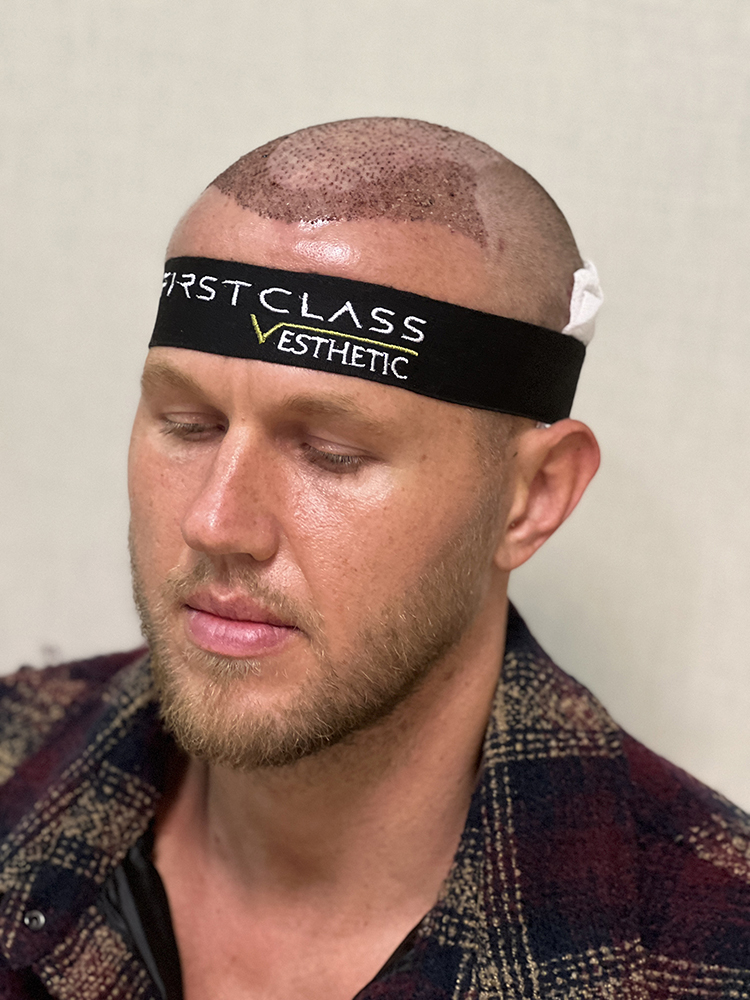




Post-Hair Transplant Process and the Role of Medication
1. Accelerating the Recovery Process After Hair Transplantation
• Painkillers: Painkillers are used for minor post-operative pain.
• Anti-inflammatory medications: These may be used to reduce swelling and redness.
2. Supporting Healthy Growth of Transplanted Hair
• Finasteride: Used to slow the progression of male-pattern hair loss (androgenic alopecia). This medication suppresses the hormonal effects that cause hair loss.
• Vitamin and Mineral Supplements: Supplements such as biotin, zinc, and B vitamins can help promote healthier and stronger hair growth.
Who Needs Medication?
• Androgenic Alopecia: Medications such as finasteride are necessary to prevent hair loss in individuals with hormonally induced hair loss.
• Weak Hair Follicles: Minoxidil may be beneficial to improve the health of hair follicles and minimize hair loss.
• Need for Rapid Recovery: Medication is recommended for rapid skin recovery after surgery.
Advantages and Disadvantages of Drug Therapy
Advantages:
• It supports permanent and successful hair transplantation results.
• It helps transplanted hair grow faster and stronger.
• It protects existing hair.
Disadvantages:
• Some medications require long-term use.
• Medications such as finasteride can cause hormonal side effects.
• Minoxidil may lose its effectiveness if regular use is discontinued.
Is Medication Necessary Along with Hair Transplantation?
When performed correctly, hair transplantation offers a natural and permanent solution. However, medication is generally recommended to increase the success of this procedure and protect both the transplanted hair and the existing hair. The decision on which medication to use should be made after a detailed evaluation by your doctor.
A combination of hair transplantation and medication can provide more satisfactory long-term results. Therefore, it is important to begin the process with a detailed plan with a specialist dermatologist or hair transplant surgeon.
Frequently Asked Questions (FAQ)
1. How long do I need to take medications after a hair transplant?
This period varies depending on the medication used. For example, antibiotics are usually used for a few days, while medications like minoxidil and finasteride may require longer treatment.
2. Is a hair transplant successful without medication?
A hair transplant can be successful without medication, but medications increase the success of the procedure and protect the health of the transplanted hair.
3. Do these medications cause side effects?
Some medications, especially hormonal medications like finasteride, can cause side effects. It is important to consult your doctor for proper usage guidance.
Medication after a hair transplant helps ensure the most effective treatment. Choosing the right medication and taking it regularly will help you achieve healthy, natural-looking hair.