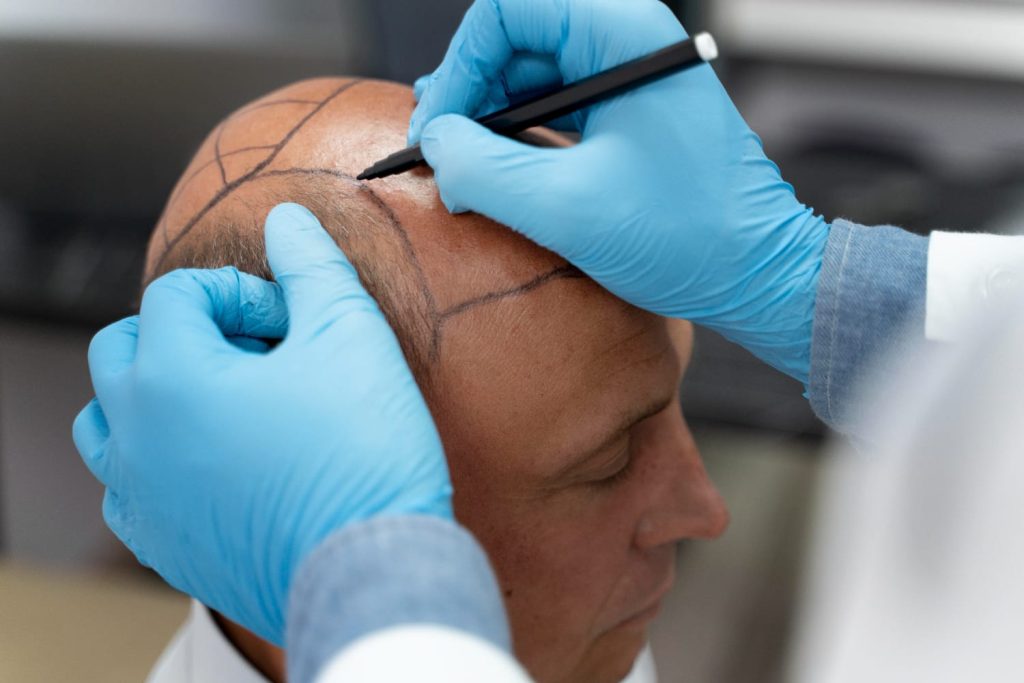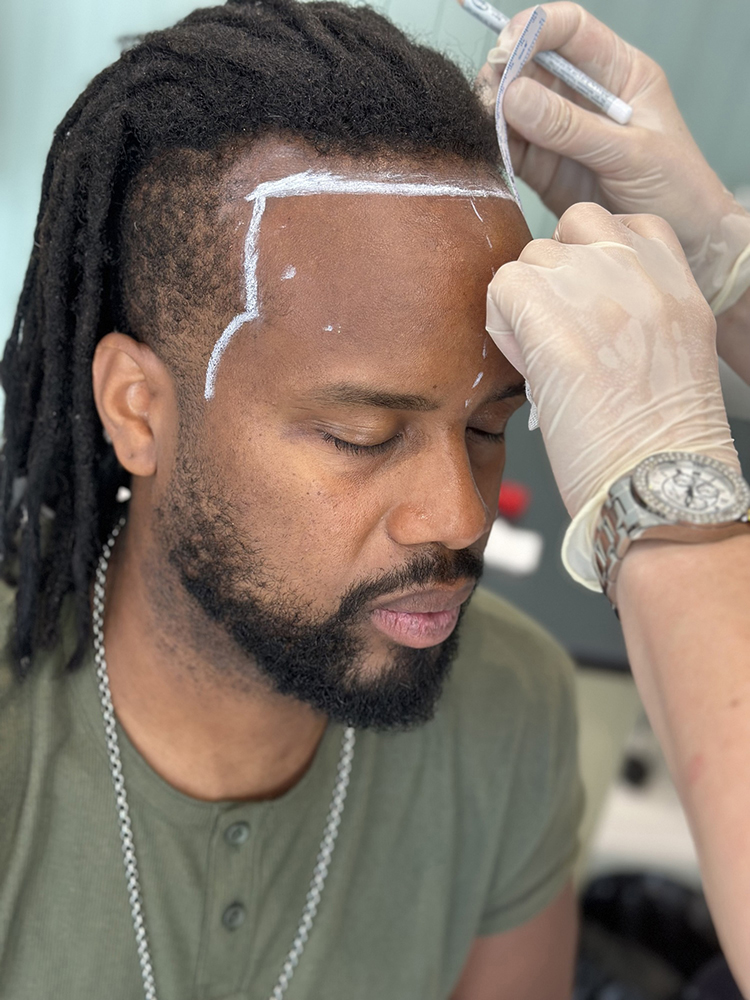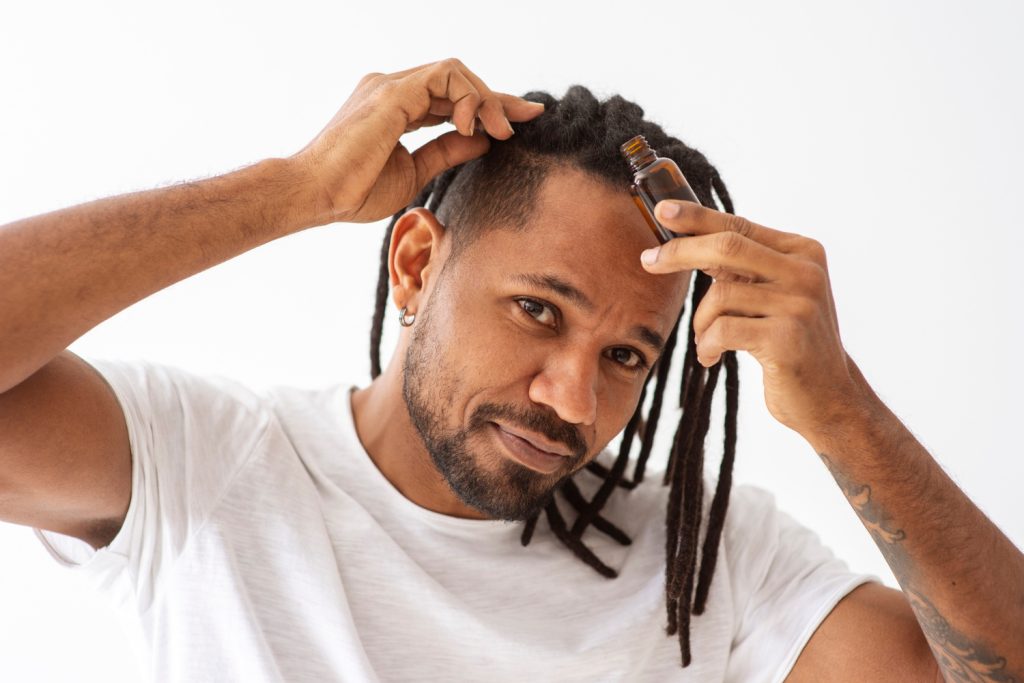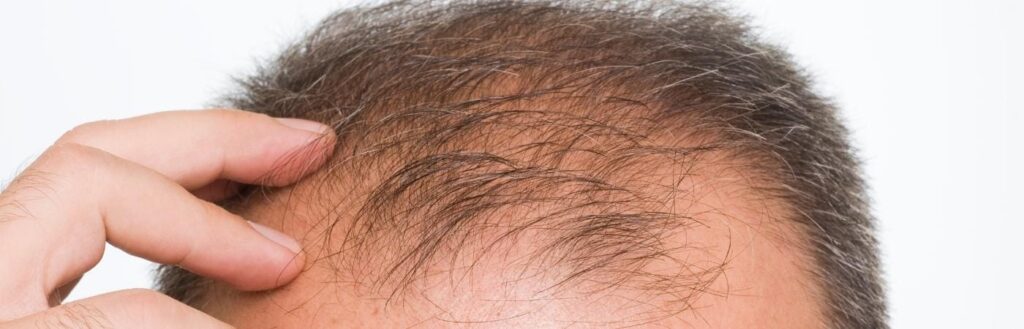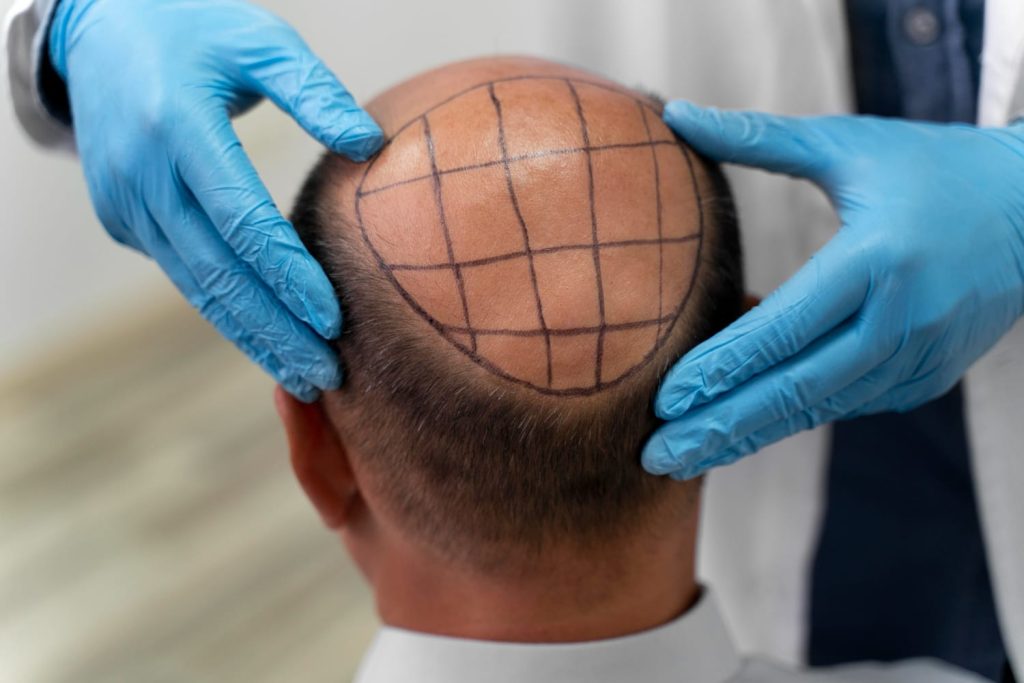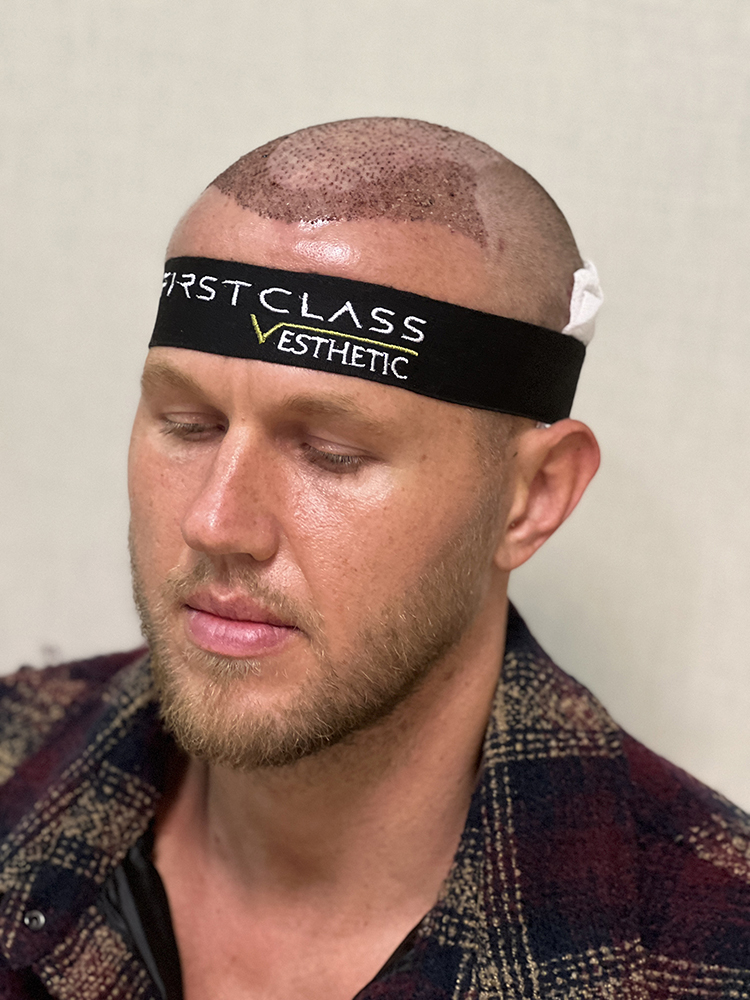



Hair transplantation is a popular method that offers a permanent and natural solution for individuals experiencing hair loss. However, to achieve a successful outcome, there are important points to consider before and after the hair transplant. In this article, we explain in detail what to keep in mind during the hair transplant process.
Things to Consider Before Hair Transplantation
The preparation phase before a hair transplant is very important. Here are the key points to consider:
• Conduct Thorough Research
When choosing a clinic and doctor for your hair transplant, you should conduct thorough research. Review their specialty certifications, references, and previous patient reviews.
• Assess Your Health
If you have a chronic illness or are taking regular medications, be sure to inform your doctor before the hair transplant. Blood thinners can be discontinued before the procedure.
• Reduce Alcohol and Smoking Consumption
It is recommended that you stop drinking alcohol and smoking at least one week before the procedure. These substances can negatively affect blood circulation and complicate the healing process.
• Hair and Skin Analysis
A hair and skin analysis before the procedure helps determine the most suitable method for the transplant. Your hair loss type, donor area density, and hair texture are evaluated during this process.
• Conduct Thorough Research
When choosing a clinic and doctor for your hair transplant, you should conduct thorough research. Review their specialty certifications, references, and previous patient reviews.
• Assess Your Health
If you have a chronic illness or are taking regular medications, be sure to inform your doctor before the hair transplant. Blood thinners can be discontinued before the procedure.
• Reduce Alcohol and Smoking Consumption
It is recommended that you stop drinking alcohol and smoking at least one week before the procedure. These substances can negatively affect blood circulation and complicate the healing process.
• Hair and Skin Analysis
A hair and skin analysis before the procedure helps determine the most suitable method for the transplant. Your hair loss type, donor area density, and hair texture are evaluated during this process.
Things to Consider After Hair Transplantation
Post-hair transplant care is just as important for successful results as the procedure itself:
• The First 48 Hours Are Crucial
Avoid touching the hair follicles for the first 48 hours after the hair transplant. You can use two pillows to elevate your head and prevent friction while sleeping.
• Follow Your Doctor’s Recommendations
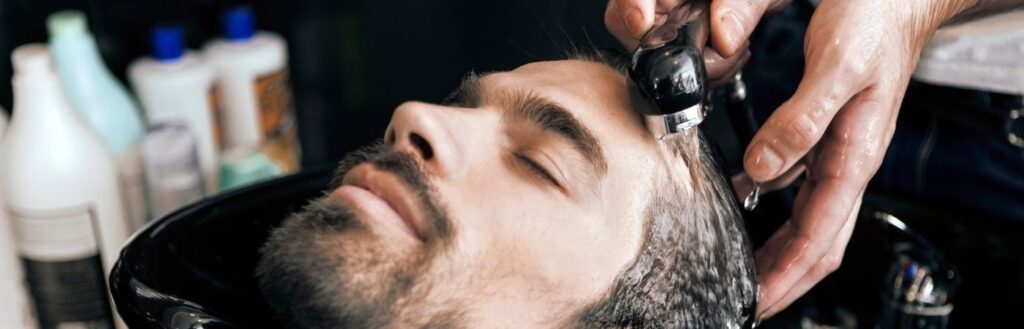
Be sure to use the medications and shampoos recommended by your doctor. The first wash is usually performed by a specialist, and you will be provided with detailed instructions on how to proceed.
• Avoid Strenuous Physical Activity
Avoid strenuous sports, saunas, and swimming during the first week after the surgery. Sweating can increase the risk of infection.
• Protect Yourself from Direct Sunlight
It is important to protect your hair follicles from direct sunlight during this period, when they are sensitive. You can wear a hat, but it should be loose-fitting.
• Do Not Interfere with the Scab Formation Process
Scabs that form after a hair transplant are part of the natural healing process. Picking at these scabs can damage the hair follicles.
• The First 48 Hours Are Crucial
Avoid touching the hair follicles for the first 48 hours after the hair transplant. You can use two pillows to elevate your head and prevent friction while sleeping.
• Follow Your Doctor’s Recommendations
Be sure to use the medications and shampoos recommended by your doctor. The first wash is usually performed by a specialist, and you will be provided with detailed instructions on how to proceed.
• Avoid Strenuous Physical Activity
Avoid strenuous sports, saunas, and swimming during the first week after the surgery. Sweating can increase the risk of infection.
• Protect Yourself from Direct Sunlight
It is important to protect your hair follicles from direct sunlight during this period, when they are sensitive. You can wear a hat, but it should be loose-fitting.
• Do Not Interfere with the Scab Formation Process
Scabs that form after a hair transplant are part of the natural healing process. Picking at these scabs can damage the hair follicles.
3. Long-Term Care Tips
To achieve lasting results after a hair transplant, you should not neglect long-term care:
• Balanced Diet and Water Consumption
For healthy hair, adopt a diet rich in vitamins and minerals. Biotin, zinc, and omega-3 fatty acids, in particular, support hair health.
• Avoid Stress
Excessive stress can trigger hair loss. You can manage stress with relaxing activities such as meditation and yoga.
• Regular Checkups
Do not skip your doctor’s recommended checkups after your hair transplant. Consult your specialist for supportive treatments if necessary.
• Balanced Diet and Water Consumption
For healthy hair, adopt a diet rich in vitamins and minerals. Biotin, zinc, and omega-3 fatty acids, in particular, support hair health.
• Avoid Stress
Excessive stress can trigger hair loss. You can manage stress with relaxing activities such as meditation and yoga.
• Regular Checkups
Do not skip your doctor’s recommended checkups after your hair transplant. Consult your specialist for supportive treatments if necessary.
When planned and executed correctly, a hair transplant offers permanent and natural results. However, there are many factors to consider both before and after the procedure. Following your doctor’s recommendations and regular aftercare are crucial for achieving the look you desire.