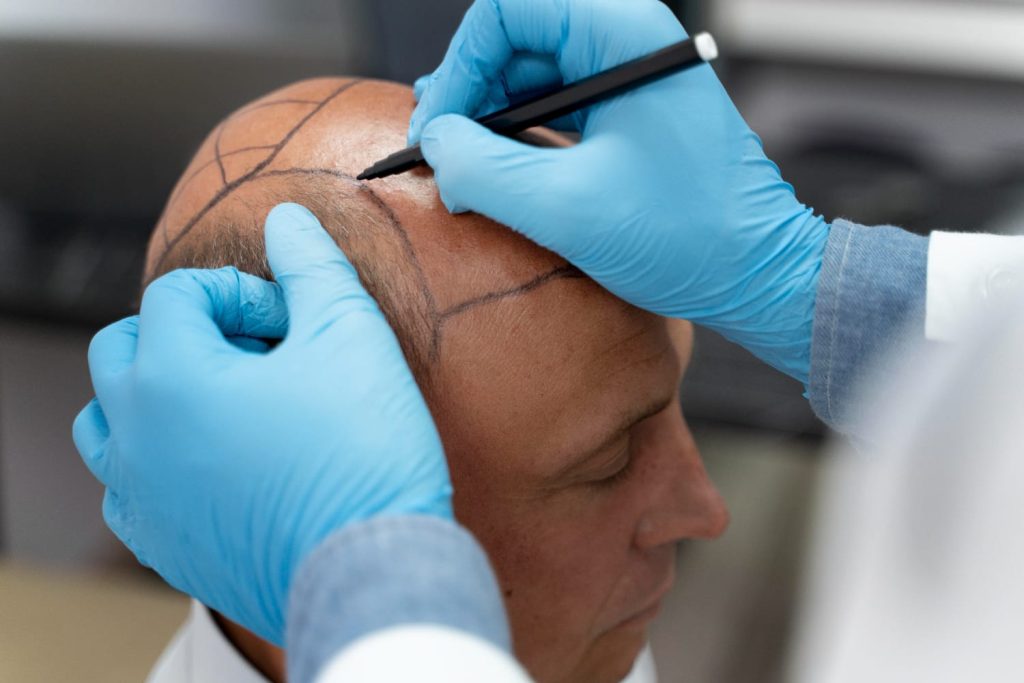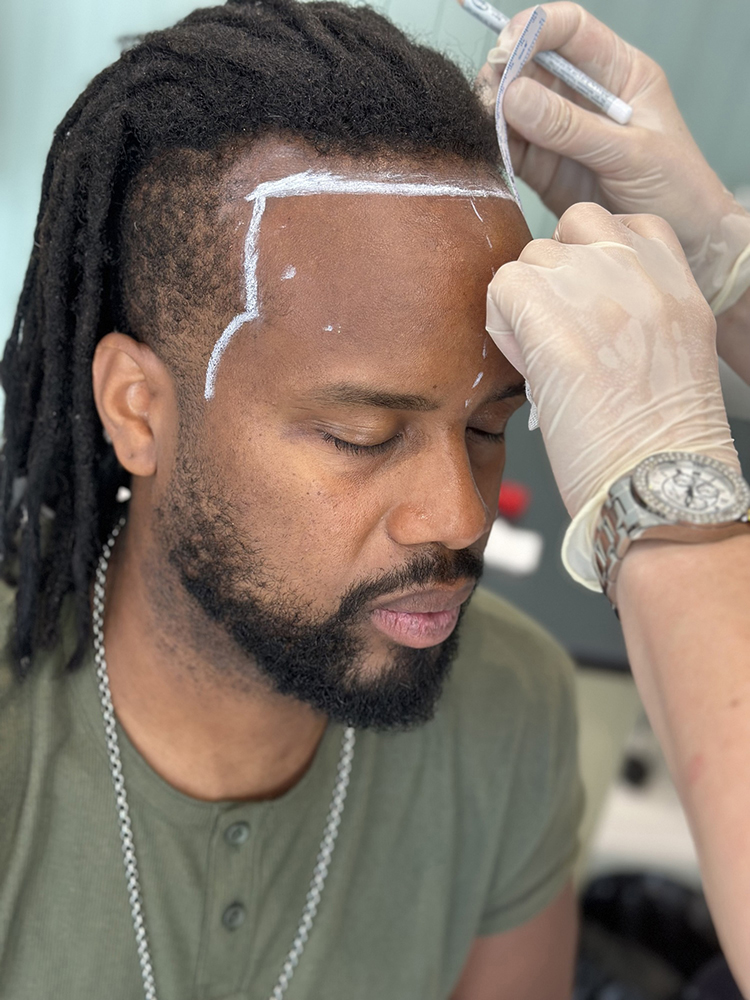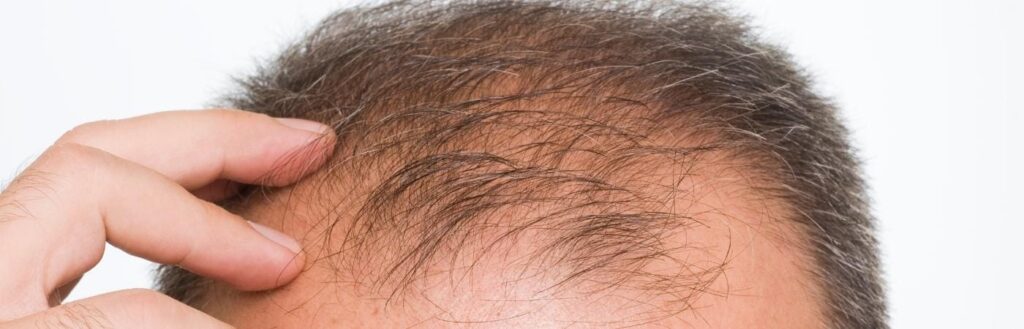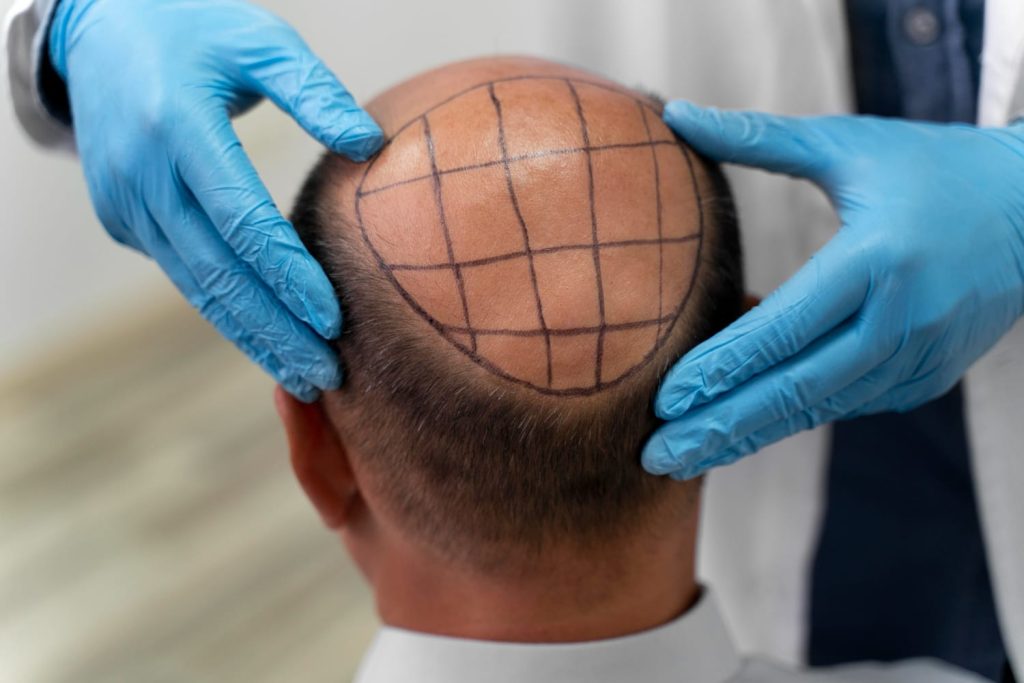



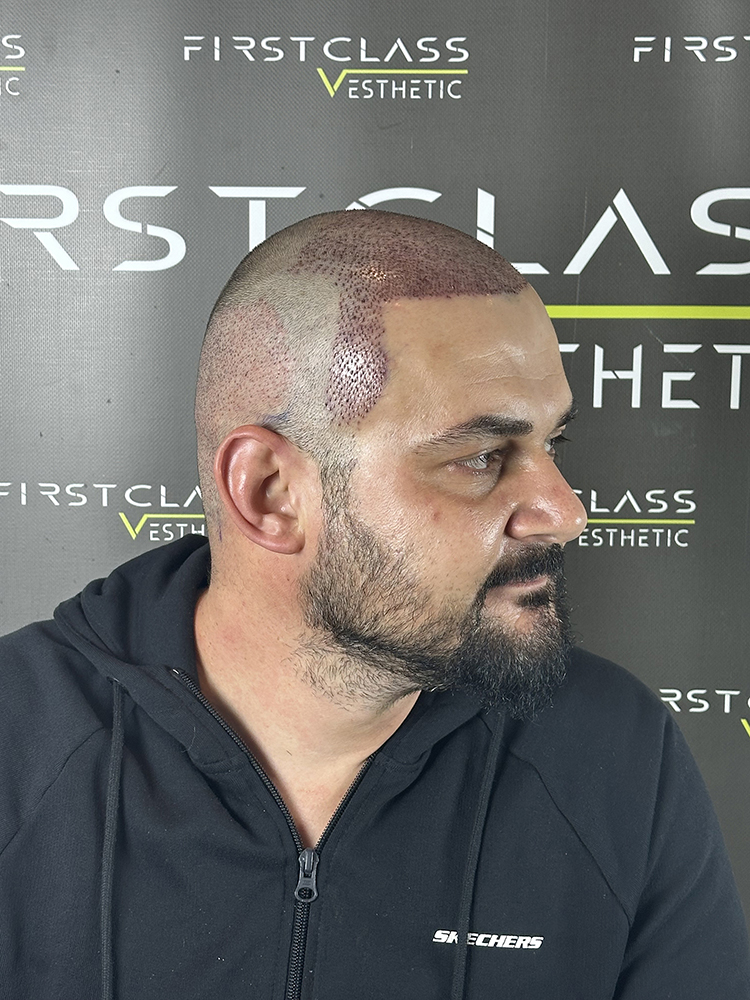
Women and men can experience hair loss from time to time, either genetically or as a result of various traumas, illnesses, or injuries. Hair loss, which becomes more pronounced in men in their mid-20s and is often experienced by women during pregnancy and menopause, can be slowed down early with medication or vitamin supplements, but it’s not possible to stop it.
In this case, hair transplantation offers the most efficient, effective, and natural solution.
The most significant advantage of hair transplantation is that when performed by an expert team, the transplant will be performed in a way that best suits your hair growth angle, and the transplanted follicles will be your own, resulting in a natural-looking result.
Because the donor area is coded to prevent hair loss, especially in men, the transplanted hair will not fall out, meaning the results achieved after a 6-8 hour hair transplant procedure are lasting.
Hair plays a crucial role in the lives of both men and women, especially psychologically. Research shows that individuals dissatisfied with their appearance due to hair loss experience a much more positive and confident outlook on life after a hair transplant. This positive and confident state motivates those who undergo hair transplants in every aspect of their lives, from their personal and professional lives to their social lives and home life, allowing them to live a happier and more fulfilling life.
Another benefit of hair transplantation is the freedom to style their newly restored hair, perhaps after a long period of time. After completing the one-year process, which typically takes a year to achieve full results, patients can grow their hair as they wish, cut it, and style it with the products of their choice.
Considering the overall benefits of hair transplantation, it’s an undeniable fact that the self-confidence they regain will lead a better quality of life and achieve a more youthful appearance with their new hair. Whatever the reason, although the uncontrollable hair loss is traumatic, hair transplantation can be a remedy for this traumatic process.