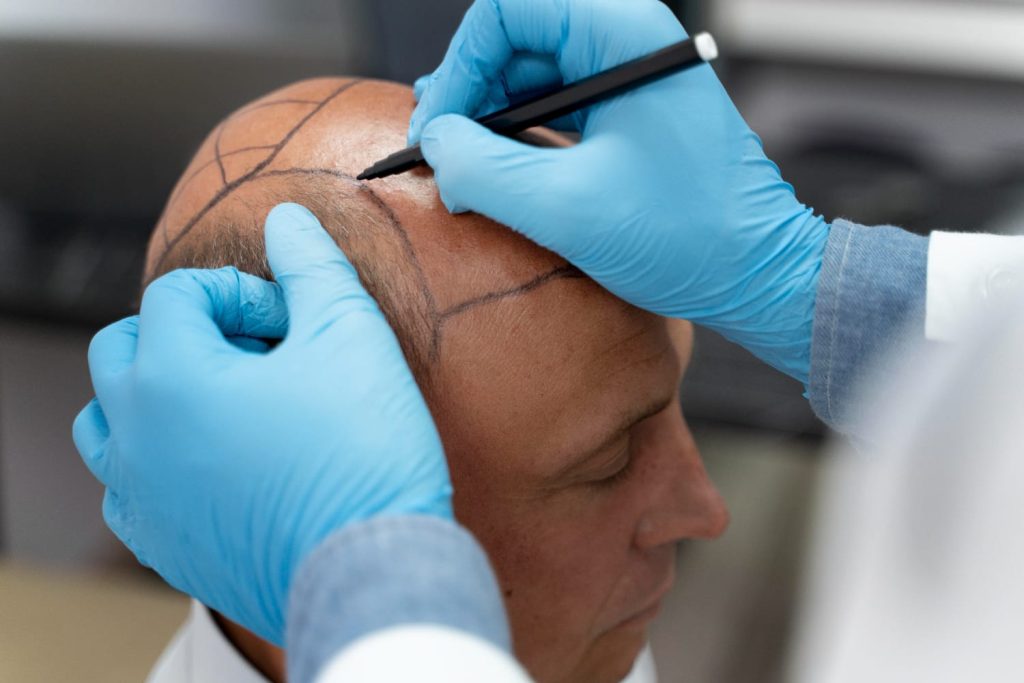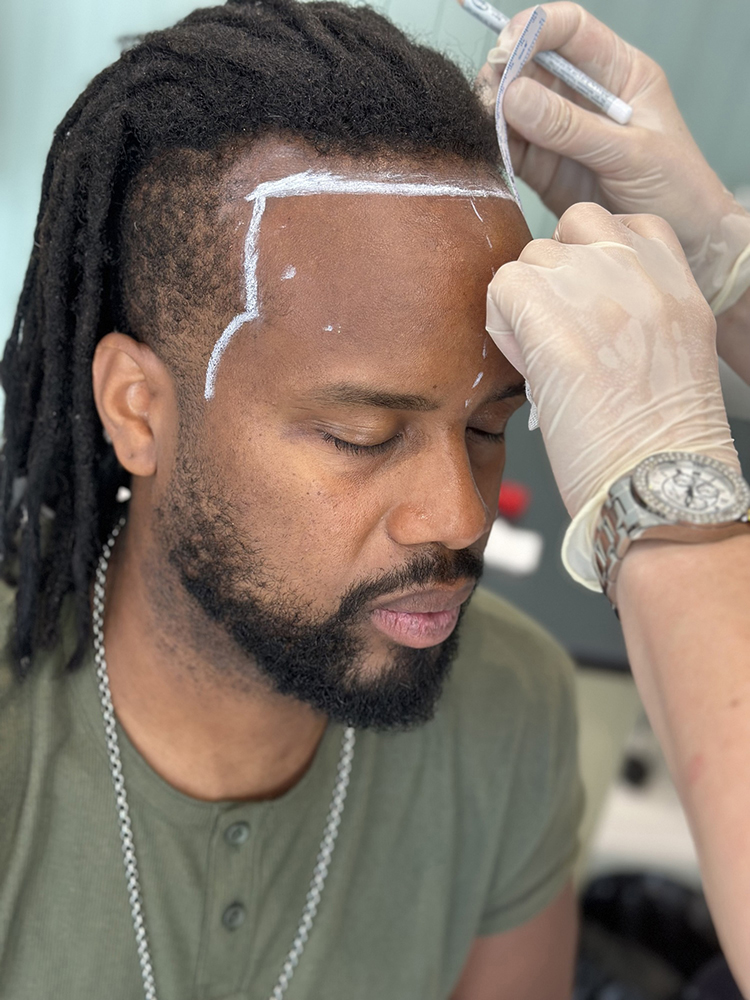



Hair transplantation is a widely preferred method for solving hair loss, especially in men. However, donor site selection is one of the most critical stages of this process. Beard graft harvesting is also a notable option. So, does harvesting from a beard leave scars? This article will explore this topic in detail.
What is Beard Graft Harvesting?
Grafts used in hair transplants are generally taken from the back of the head (nape). However, when grafts in the nape area are insufficient or when density is desired, alternative donor sites become available. Beards, with their strong and resilient roots, are an ideal option. Beard grafts are typically harvested from the chin, cheeks, and neck.
Will There Be Any Scars After Beard Graft Extraction?
The risk of scarring is minimized thanks to the methods used to harvest beard grafts. The following factors generally play a role in this process:
1. Technique Used:
• FUE (Follicular Unit Extraction): This is the most commonly used method for harvesting beard grafts. In this technique, individual grafts are harvested using micromotor devices. Because very fine needles are used during the procedure, the likelihood of leaving visible scars on the skin is low.
• DHI (Direct Hair Implantation): Hair grafts can also be harvested using the DHI method. This technique is as effective as FUE in terms of scarring.
• DHI (Direct Hair Implantation): Hair grafts can also be harvested using the DHI method. This technique is as effective as FUE in terms of scarring.
2. Skin Structure and Healing Process:
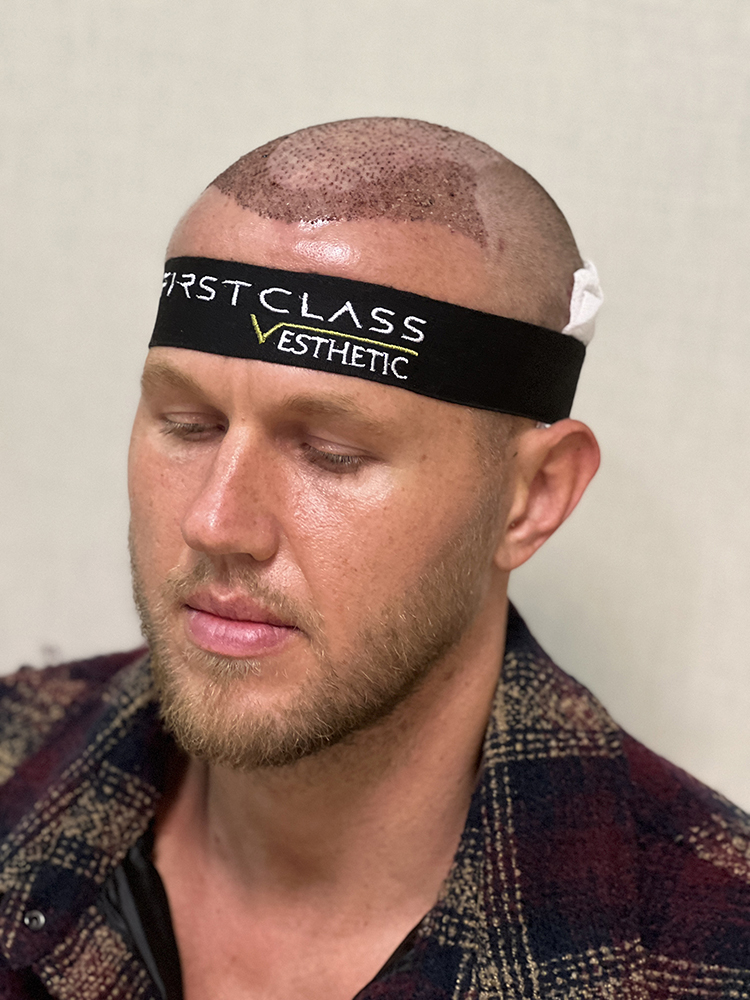
Each individual’s skin type is different. Whether or not a scar remains after a beard graft extraction depends largely on the skin’s healing potential. Some individuals may experience mild redness or very small spots after the procedure. However, these scars usually disappear within a few weeks.
3. Experience of the Practising Expert:
Graft harvesting performed by a qualified surgeon significantly reduces the risk of scarring. Procedures performed by individuals unfamiliar with microsurgical techniques can result in permanent scarring.
Things to Consider After Beard Graft Extraction
To minimize the risk of scarring after beard graft extraction, the following points should be taken into consideration:
1. Hygiene: Skin cleansing should be prioritized after the procedure. This reduces the risk of infection and accelerates skin healing.
2. Following Doctor’s Recommendations: Using recommended care products for the treated area positively impacts the healing process.
3. Avoiding Irritation: Avoid harsh blows or irritating substances to the donor area.
4. Healthy Diet: A diet rich in protein and vitamins should be followed to support skin healing.
1. Hygiene: Skin cleansing should be prioritized after the procedure. This reduces the risk of infection and accelerates skin healing.
2. Following Doctor’s Recommendations: Using recommended care products for the treated area positively impacts the healing process.
3. Avoiding Irritation: Avoid harsh blows or irritating substances to the donor area.
4. Healthy Diet: A diet rich in protein and vitamins should be followed to support skin healing.
Advantages of Beard Graft Harvesting
Some advantages of choosing beard grafts include:
• Beard hair is thicker and more durable than head hair, providing a natural look, especially in the crown area.
• Beard grafts generally heal faster.
• They offer an effective alternative when the nape of the neck is insufficient.
• Beard hair is thicker and more durable than head hair, providing a natural look, especially in the crown area.
• Beard grafts generally heal faster.
• They offer an effective alternative when the nape of the neck is insufficient.
Beard graft harvesting is an important alternative to hair transplantation, and when the correct techniques are used, the risk of scarring is quite low. However, depending on factors such as skin type and healing process, minor scarring may occur. For such procedures, it is essential to consult an experienced specialist and follow the doctor’s recommendations. Considering the advantages and minimal risks of beard graft harvesting, it can be considered an ideal option for hair transplantation.