


Can you swim in the sea after a hair transplant? This is one of the most frequently asked questions about the post-procedural process.
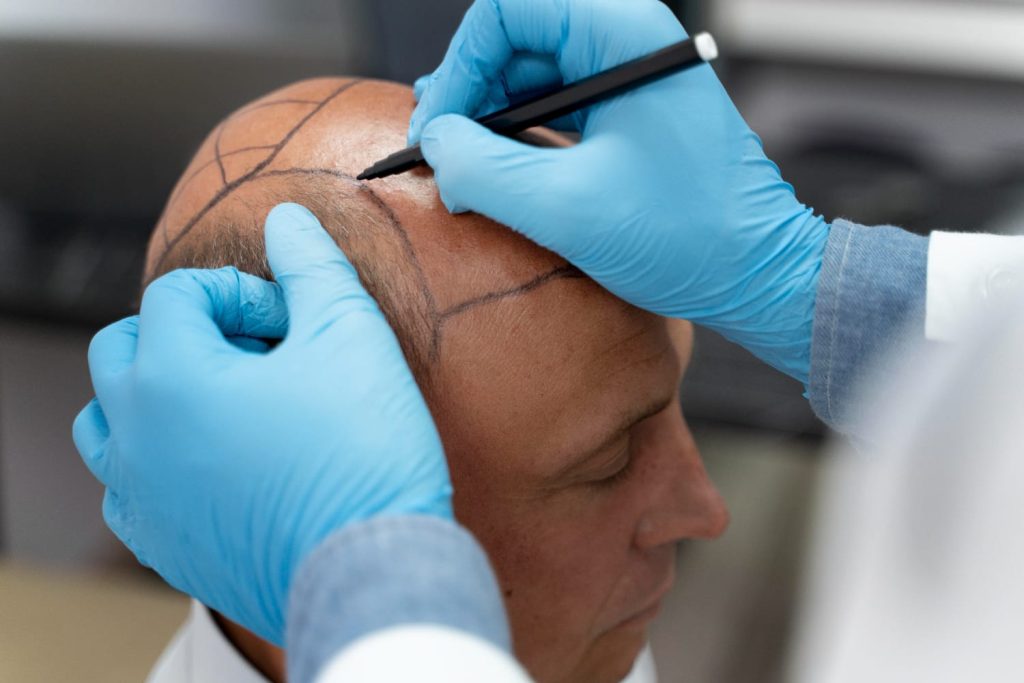
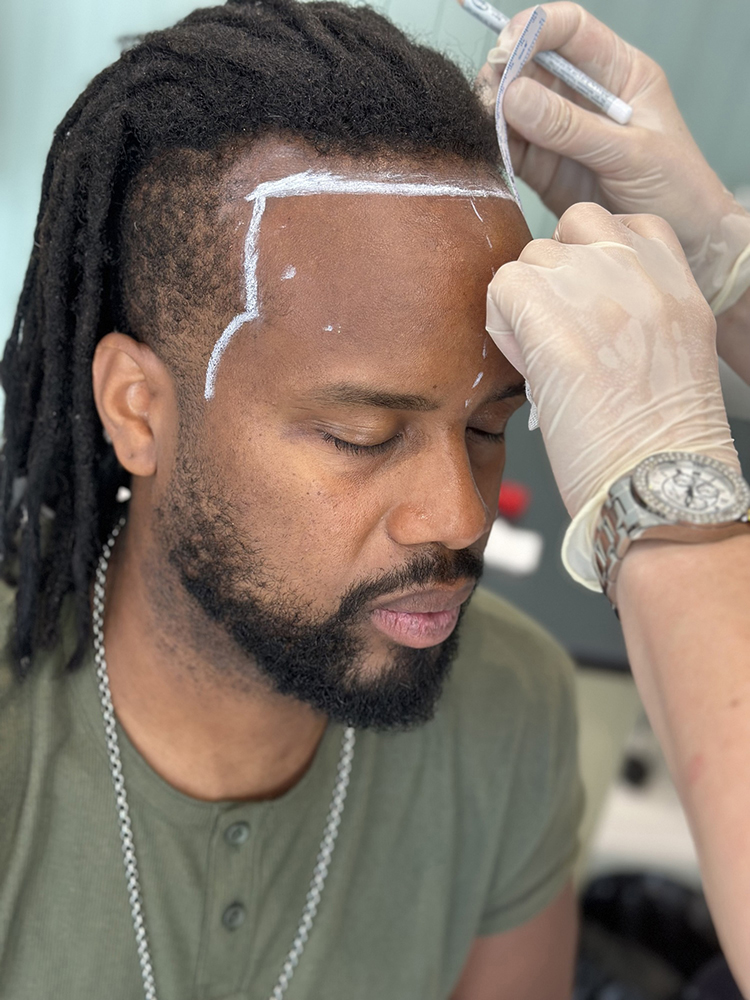
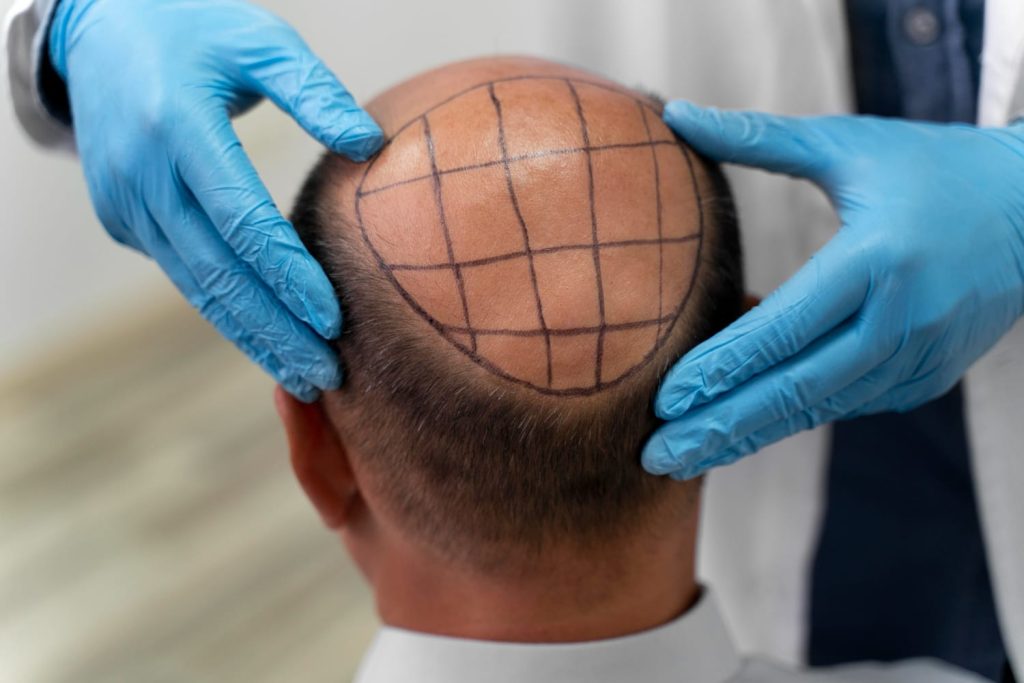
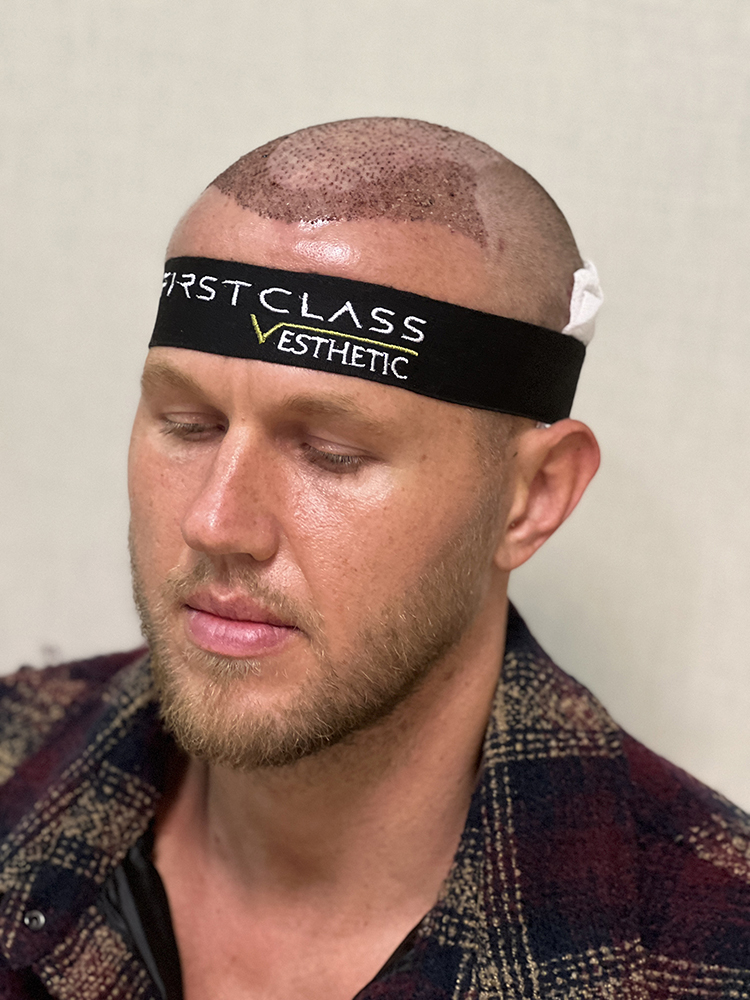
Thousands of channels are opened in the transplant area during the hair transplant procedure, and this procedure must be performed in a hygienic environment using sterile materials. Otherwise, the risk of infection is high. If an infection in any area is not treated promptly, the likelihood of hair regrowth in that area is significantly reduced. To prevent this, it is essential to have the procedure performed by a reliable center, by experts in the field, and to maintain contact with the center, especially during the first month, and to allow for follow-up with photographs.
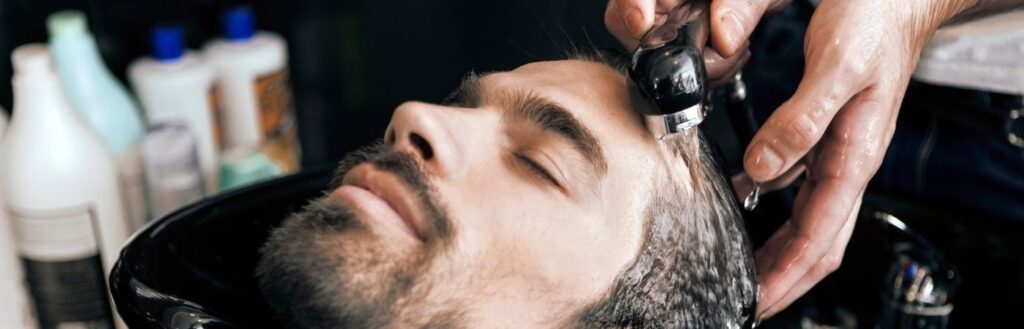
While the sea is very important and beneficial for human health in every aspect, it is important to consider the channels opened after the hair transplant procedure as an open wound, and swimming should be avoided for at least a month to avoid infection. Furthermore, salt water stretches the scalp, which can damage the follicles. The chosen center will provide information on dos and don’ts after the procedure. Swimming in the sea is also among the activities that should be avoided during the first month. This may raise the question of whether a hair transplant can be performed in the summer.
Can Hair Transplantation Be Done in Summer?
Contrary to popular belief, hair transplantation is not a seasonal procedure. Regardless of the season or time of year, there are precautions and guidelines that must be taken and adhered to, depending on the time and weather conditions.
For example, after a hair transplant performed in winter, it’s important to avoid heavy rain, and after a summer procedure, it’s also important to avoid intense sun exposure.
Regardless of whether it’s summer or winter, activities such as strenuous sports, intense physical activity, or sauna visits or Turkish baths should be postponed.
The reason summer is less preferred than winter is largely a personal matter, with vacation plans and leave times contributing factors. However, ultimately, hair transplanted in summer is unlikely to grow back. A hair transplant performed with the right center and team will be successful regardless of the season.
Which Season is Best for Hair Transplantation?
Hair transplantation is not a seasonal procedure. Determining the right time depends entirely on the individual’s own plan and schedule, work environment, and psychological readiness and desire.
It is important for those working in environments with high dust/soil (farmers, construction workers, etc.) to rest during the initial period to reduce the risk of infection.
Similarly, those who are required to wear helmets, hard hats, berets, and other accessories should rest for the duration specified.
Planning with these examples in mind is crucial for the health of the procedure and the success of the outcome.
At First Class Esthetic, we provide our guests with the necessary post-procedure information in detail and also provide written information, as the success of the outcome is as important to us as it is to the individual. We aim to ensure that everyone who walks through our doors is satisfied and happy, and to have made a difference in their lives.
Our job is not to perform the transplantation process for 6-8 hours and then part ways with our patients, but to ensure that when they look in the mirror for the rest of their lives, they say to themselves, “I am so glad we had First Class Esthetic.”